




Nordic Guide • Pure • Lab-tested • Certified Organic
Short version:
- Low winter light shifts the circadian rhythm — melatonin rises earlier, serotonin drops.
- Vitamin D, magnesium, and B6 are key for energy, focus, and mood balance.
- Chronic stress strains the HPA axis → irregular cortisol → daytime sluggishness.
- Simple rituals: morning light, movement, nutrient base, and gentle adaptogens for rhythm and focus.
Why do we feel tired in winter?
What happens in your body when the light disappears?
The body’s inner clock — the suprachiasmatic nucleus (SCN) — is tuned by daylight. When light levels fall, the SCN signals your pineal gland to produce more melatonin earlier and for longer. Meanwhile, serotonin-producing neurons in the brainstem slow down. The result: sleepiness, lower motivation, and mood dips — what many Nordics call winter tiredness.

Serotonin, melatonin and Vitamin D – a winter trio
Serotonin → melatonin: serotonin is the biochemical precursor to melatonin. When serotonin tone drops, sleep patterns and energy shift. Vitamin D receptors are found in the brain’s limbic system, which regulates mood and drive. During Nordic winters, 25(OH)D levels often fall below 50 nmol/L — associated with lower energy and emotional balance. Keeping levels steady supports daytime focus and restorative sleep.
Stress, minerals and the HPA axis
Chronic stress disrupts the HPA axis (hypothalamus–pituitary–adrenal), flattening the cortisol curve and disturbing energy regulation. Nutrients like magnesium, zinc and B6 are needed to synthesize serotonin and melatonin. Stress depletes magnesium quickly — leaving nerves overstimulated and rest less restorative.
Fatigue or exhaustion – what’s the difference?
- Fatigue is adaptive: your body signaling it’s time to rest and recharge.
- Exhaustion means deeper imbalance — often HPA axis dysregulation, brain fog and paradoxical insomnia.
If tiredness lasts more than four weeks, check labs such as 25(OH)D, ferritin, B12, TSH, fT4, Hb, and magnesium. Always consult a healthcare professional for persistent symptoms.
Winter habits that make a real difference
- Morning light therapy: 10,000 lux for about 30 minutes helps reset melatonin rhythm.
- Daily movement: improves tryptophan uptake into the brain → steadier serotonin tone.
- Nutrient base: Vitamin D + magnesium as a winter foundation; add B-complex if needed.
- Adaptogens: herbs like Ashwagandha and Chaga support stress balance and mental focus.
Science corner (quick takeaways)
- More daylight exposure in winter links to fewer mood dips (Stockholm University, ScienceDirect).
- Morning light proves more effective than evening for phase-shifting winter mood (JAMA Network).
- Low magnesium correlates with higher perceived fatigue and poor sleep (Medical News Today).
Winter depression (SAD) – when tiredness runs deeper
For some, winter tiredness extends into what’s known as winter depression or Seasonal Affective Disorder (SAD). The phenomenon was first described by psychiatrist Norman Rosenthal in the 1980s and has since been well documented in research.

In an interview with The Washington Post, Rosenthal explained that light is one of the body’s most powerful biological cues. When daylight exposure drops, it disrupts melatonin, serotonin and circadian balance — influencing both energy and mood.
Rosenthal follows the principle “replace what’s missing” — adding light consciously during darker months. He combines light therapy with daily movement, meditation and outdoor time — simple but effective habits that also ease milder forms of winter fatigue.
Important to remember: winter depression isn’t weakness — it’s biology adapting to low light. By supporting rhythm and replenishing light, most people regain balance, focus and calm.
Want to dive deeper into practical light use? Read our upcoming guide Light Therapy & Winter Depression – a practical guide for choosing devices, timing, and nutrient synergy.
Bringing balance back
Winter tiredness is your biology responding to less light, lower neurotransmitters and seasonal stress. The key is realignment — through light, nutrition and simple rituals that support your natural rhythm.
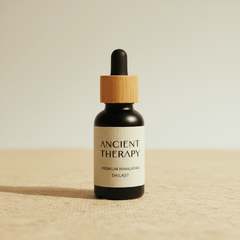
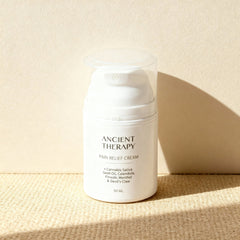
Ancient Therapy offers pure, lab-tested botanicals and minerals — rooted in Nordic reality, proven by science.
Quality owner: Ancient Therapy Quality Team — small-batch, traceable, and open COAs. Contact: info@ancienttherapy.com
Editorial note: Informational content only. Not medical advice. For persistent symptoms, consult your healthcare provider.
Leave a comment