


Ayurveda stands as the world's oldest medical system, with practices dating back over 5,000 years in India. This traditional approach treats the whole person rather than isolated symptoms, recognizing that lasting health comes from balance between mind, body, and consciousness. The Sanskrit word combines "ayus" (life) and "veda" (knowledge), creating "the science of life" - a fitting description for this time-tested healing tradition.
Modern healthcare increasingly recognizes Ayurvedic principles, with research validating many traditional practices. Studies published in reputable journals show that Ayurvedic herbs and techniques can support various aspects of health and wellness. Unlike symptom-focused treatments, this ancient system identifies underlying imbalances that create disease, then works to restore natural harmony.
Core Principles of Ayurvedic Healthcare
Ayurvedic medicine operates on several fundamental concepts that separate it from conventional Western approaches. Prevention takes priority over treatment, with practitioners viewing health as a dynamic state requiring constant attention and adjustment.
The concept of individual constitution, called prakriti, forms the foundation of personalized treatment. Your prakriti represents your unique physical, mental, and emotional blueprint established at conception. This constitution stays constant throughout your lifetime, influencing everything from food choices to exercise preferences and sleep needs.
Practitioners also assess vikriti - your current state compared to your natural constitution. When vikriti moves away from prakriti, symptoms appear and eventually develop into disease patterns. Ayurvedic treatments work to bring these two states back into alignment, creating lasting health improvements.
The Three Doshas: Understanding Your Body Type
The dosha system provides Ayurveda's framework for understanding how different people function and what they need for optimal health. These three biological energies control all physical and mental processes in the body.
Vata: The Force of Movement
Vata governs all movement in the body, including circulation, breathing, nerve signals, and waste elimination. Made from air and space elements, vata controls creativity, communication, and flexibility. Balanced vata creates enthusiasm and mental alertness. When disturbed, vata produces anxiety, irregular digestion, sleep problems, and scattered thinking.
People with strong vata tend to be naturally thin, have variable appetites, and think quickly. They excel at creative tasks but may struggle with routine and consistency. Cold, dry weather and irregular schedules can disturb vata, while warm environments and stable routines help maintain balance.
Pitta: The Power of Transformation
Pitta manages all metabolic activities, including digestion, nutrient absorption, and body temperature control. Composed of fire and water elements, pitta governs intelligence, focus, and determination. Healthy pitta produces strong digestion, sharp thinking, and natural leadership skills. Excess pitta can cause irritability, inflammatory conditions, acid problems, and overly critical attitudes.
Pitta-dominant people usually have moderate builds, strong appetites, and intense personalities. They make excellent organizers and leaders but can become overly competitive or demanding. Hot weather, spicy foods, and high-stress situations can aggravate pitta, while cooling activities and moderate schedules help restore balance.
Kapha: The Foundation of Structure
Kapha provides stability and structure to the body, controlling immune function, physical strength, and emotional steadiness. Built from earth and water elements, kapha manages tissue growth, repair, and lubrication. Balanced kapha creates patience, loyalty, and physical endurance. Disturbed kapha leads to weight gain, sluggishness, respiratory congestion, and resistance to change.
Kapha-predominant individuals typically have larger frames, steady appetites, and calm temperaments. They possess natural stamina and make devoted friends but may avoid new situations. Cold, humid conditions and heavy foods can increase kapha, while warm, stimulating activities help maintain proper function.
Ayurvedic Assessment and Diagnosis Methods
Ayurvedic practitioners use refined observation techniques developed over thousands of years. Rather than depending solely on laboratory tests, they employ direct examination methods that reveal detailed information about health status and constitutional patterns.
Pulse diagnosis (nadi pariksha) represents one of Ayurveda's most sophisticated assessment tools. Experienced practitioners can detect subtle pulse variations that indicate dosha imbalances, organ function, and general vitality. Different pulse locations correspond to specific body systems, creating a complete health picture through skilled touch.
Tongue examination offers another valuable diagnostic approach. Practitioners evaluate color, coating thickness, texture, and markings on various tongue areas. Each region corresponds to different organs and dosha states. A thick white coating might suggest kapha accumulation, while a bright red tongue tip could indicate pitta disturbance.
Additional assessment includes eye examination, nail analysis, skin evaluation, and overall physical appearance. The size, shape, and clarity of eyes reveal constitutional information and current imbalances. Nail quality, skin characteristics, and general demeanor provide further insights into health status and treatment needs.
Traditional Ayurvedic Treatment Approaches
Ayurvedic treatment uses multiple therapeutic methods tailored to individual constitutions and specific imbalances. The system favors gentle, natural approaches first, moving to more intensive treatments only when necessary for complete healing.
Food as Medicine: Ayurvedic Nutrition
Ayurveda considers proper nutrition the cornerstone of health maintenance and disease prevention. The system classifies foods based on taste (rasa), heating or cooling energy (virya), and post-digestive effects (vipaka). These qualities determine how different foods affect each dosha.
The six tastes - sweet, sour, salty, pungent, bitter, and astringent - create different effects in the body. Sweet, sour, and salty tastes increase kapha while calming vata. Pungent, bitter, and astringent tastes reduce kapha but can aggravate vata. Pitta finds balance through sweet, bitter, and astringent tastes while being disturbed by sour, salty, and pungent flavors.
Meal timing and eating habits matter as much as food selection. Ayurveda recommends consuming your largest meal when digestive fire peaks around noon, eating lighter foods in the evening, and maintaining consistent meal schedules to support healthy metabolism.
Plant-Based Healing: Herbs and Natural Remedies
Ayurvedic herbal medicine includes thousands of plant medicines, each with specific therapeutic properties and applications. Rather than isolating single compounds, traditional practice uses whole plants or carefully balanced formulations that work together synergistically.
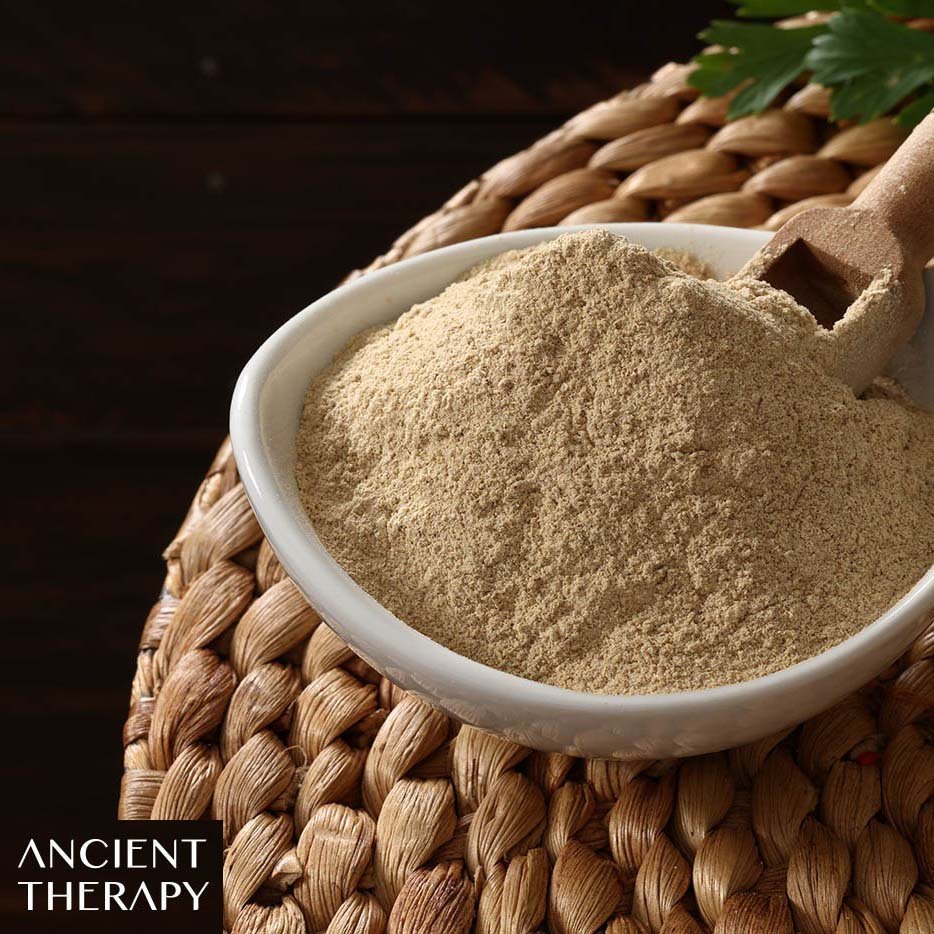
Adaptogenic herbs play a central role in Ayurvedic healing protocols. Ashwagandha stands among the most researched Ayurvedic plants, with studies by Chandrasekhar et al. (2012) showing its ability to reduce stress hormones and support healthy sleep patterns. This powerful root helps balance all three doshas while promoting natural energy and mental clarity.
Shilajit resin provides another cornerstone of Ayurvedic rejuvenation therapy. Traditional texts describe this mineral-rich substance as "the destroyer of weakness" and a powerful rasayana (rejuvenative agent). Shilajit contains fulvic acid and over 80 trace minerals that support cellular energy production and overall vitality.
Other herbs complement Ayurvedic protocols, including medicinal mushrooms like Lion's Mane, which supports cognitive function and nervous system health. While not originally part of Ayurvedic tradition, these natural medicines align with Ayurvedic principles of supporting the body's innate healing capacity.
Panchakarma: Deep Cleansing and Renewal
Panchakarma represents Ayurveda's most intensive detoxification and rejuvenation program. This systematic therapy consists of five main procedures designed to remove accumulated toxins (ama) and restore optimal dosha balance throughout the body.
The classical five procedures include vamana (therapeutic emesis), virechana (purgation therapy), basti (medicated enema treatments), nasya (nasal medication), and raktamokshana (controlled bloodletting). Each treatment targets specific imbalances and toxin types.
Modern panchakarma programs often adapt these classical procedures while maintaining their therapeutic principles. Preparatory treatments like full-body oil massage (abhyanga) and herbal steam therapy (swedana) prepare the body by loosening toxins and moving them toward elimination channels.
Research published in the Journal of Ayurveda and Integrative Medicine demonstrates that panchakarma treatments can improve various health markers, including reducing oxidative stress levels and supporting immune system function.
Mind-Body Practices in Ayurvedic Healthcare
Ayurveda recognizes that mental and physical health cannot be separated. Traditional practices include specific techniques for balancing mind and emotions while supporting physical healing processes.
Yoga and Ayurveda share common philosophical foundations and work together seamlessly. Different yoga styles suit different constitutional types and current imbalances. Vata individuals benefit from gentle, grounding practices that promote stability and inner calm. Pitta types respond well to moderate, cooling practices that prevent overheating and competitive attitudes. Kapha constitutions need vigorous, warming practices that stimulate circulation and prevent stagnation.
Meditation plays an equally important role in Ayurvedic healing systems. Regular meditation practice helps calm mental fluctuations, reduce stress responses, and improve self-awareness. This supports natural healing processes and helps prevent imbalances from developing into disease patterns.
Pranayama (controlled breathing practices) bridges physical and mental aspects of health. Different breathing techniques can pacify specific doshas and address various health concerns. Nadi shodhana (alternate nostril breathing) balances the nervous system, while kapalabhati (skull-shining breath) stimulates digestion and mental clarity.
Daily and Seasonal Routines for Optimal Health
Ayurveda places great importance on daily routines (dinacharya) that align human activities with natural rhythms. Following appropriate daily schedules helps maintain dosha balance and prevents many health problems before they develop.
The ideal Ayurvedic day begins before sunrise during vata time, when the environment supports quiet reflection and gentle movement. Morning practices like oil pulling, tongue scraping, and self-massage help prepare the body and mind for daily activities while supporting natural detoxification processes.
Seasonal routines (ritucharya) adapt daily practices to changing environmental conditions throughout the year. Winter routines emphasize warmth and nourishment to balance increasing vata dosha. Summer practices focus on cooling foods and moderate activity to prevent pitta aggravation. Spring routines emphasize lightness and increased activity to counter kapha accumulation from winter months.
Sleep quality receives particular attention in Ayurvedic lifestyle guidance. Going to bed and waking at consistent times supports natural circadian rhythms and hormone production. The hours between sunset and 10 PM are considered optimal for sleep preparation when kapha energy naturally promotes rest and tissue repair.
Modern Research and Scientific Validation
Contemporary scientific research increasingly validates traditional Ayurvedic practices and principles. Studies demonstrate the effectiveness of Ayurvedic treatments for various health conditions, from stress management to metabolic support.
Integrative medicine programs now incorporate Ayurvedic assessment methods alongside conventional diagnostic tools. This combination provides a more complete picture of patient health while honoring both ancient wisdom and modern scientific understanding.
Many current wellness trends draw inspiration from Ayurvedic principles without explicitly acknowledging their traditional roots. The emphasis on personalized nutrition, mind-body practices, and preventive care reflects core Ayurvedic concepts adapted for contemporary lifestyles and healthcare needs.
Digital health platforms increasingly offer personalized recommendations based on Ayurvedic constitutional assessment principles. While technology can support traditional approaches, the personal relationship between practitioner and patient remains central to authentic Ayurvedic healing.
Safety Guidelines and Important Considerations
While Ayurvedic treatments are generally safe when properly administered, following certain guidelines ensures optimal outcomes and prevents potential complications or adverse reactions.
Working with qualified practitioners who understand both traditional principles and modern safety standards provides the best foundation for successful Ayurvedic treatment. Proper training in diagnostic methods, herb identification, and treatment protocols helps prevent problems and ensures appropriate therapeutic approaches.
Herbal preparations require careful sourcing and quality control measures. Contamination with heavy metals, pesticides, or adulterants can cause serious health issues. Reputable suppliers provide third-party testing results and maintain strict quality standards throughout the entire supply chain.
Certain Ayurvedic treatments may interact with prescription medications or existing medical conditions. Always inform all healthcare providers about any Ayurvedic treatments you're receiving, especially before surgeries or when managing chronic health conditions.
Pregnant and nursing women should exercise particular caution with Ayurvedic treatments and herbs. Many traditional preparations are contraindicated during pregnancy and breastfeeding, while others require modified dosing or careful professional supervision for safety.
Creating Your Personal Ayurvedic Practice
Beginning an Ayurvedic practice doesn't require dramatic lifestyle overhauls or major changes. Small, consistent adjustments aligned with your individual constitution can produce meaningful improvements in health and overall wellbeing.
Start by observing your natural patterns and preferences throughout daily activities. Notice which foods provide steady energy versus those that cause sluggishness, what types of exercise you naturally enjoy, and how different environments affect your mood and energy levels. These observations provide valuable insights into your doshic constitution and current imbalances.
Establish simple daily routines that support your unique constitutional needs. This might include drinking warm water upon waking, eating your main meal at midday, or taking a short evening walk after dinner. Consistency matters more than perfection when building sustainable healthy habits.
Consider incorporating traditional Ayurvedic herbs into your wellness routine. Ashwagandha provides excellent support for stress management and sleep quality, while other adaptogens can address specific health concerns. Starting with well-researched, high-quality supplements allows you to experience Ayurvedic benefits while learning about the broader healing system.
Seasonal adjustments help maintain balance as environmental conditions change throughout the year. This might mean eating lighter, cooling foods during summer months, taking warming spices and hearty meals in winter, or adjusting exercise intensity based on seasonal energy patterns.
Frequently Asked Questions
How quickly can I expect results from Ayurvedic treatments?
Results from Ayurvedic treatments vary based on the condition being addressed, individual constitution, and treatment approach. Acute issues may respond within days or weeks, while chronic imbalances often require several months of consistent treatment. Ayurveda focuses on addressing root causes rather than quick symptom relief, which takes time but produces lasting health improvements.
Can I safely combine Ayurvedic medicine with conventional medical treatments?
Ayurvedic treatments can often complement conventional medicine when properly coordinated between healthcare providers. However, some herbs may interact with prescription medications, and certain procedures might not be appropriate during specific medical treatments. Always consult with both your conventional doctor and qualified Ayurvedic practitioner to ensure safe, effective integration of approaches.
Do I need to completely change my lifestyle to practice Ayurveda?
Ayurveda adapts to your current lifestyle rather than requiring complete transformation. Begin with small changes like adjusting meal timing, adding appropriate spices to foods, or establishing simple morning routines. Even modest adjustments aligned with your constitution can produce noticeable health benefits. Major lifestyle overhauls aren't necessary to experience Ayurvedic principles and improvements.
How can I determine my Ayurvedic constitution accurately?
Constitutional assessment considers physical characteristics, mental tendencies, natural preferences, and patterns established since childhood. While online questionnaires provide general guidance, accurate constitutional determination typically requires consultation with an experienced Ayurvedic practitioner who can assess pulse quality, physical features, and detailed health history. Your constitution remains constant throughout life, though current imbalances may temporarily mask your true nature.
What makes Ayurvedic herbs different from modern supplements?
Ayurvedic herbs are traditionally used as whole plant preparations or balanced formulations rather than isolated compounds. This approach recognizes that plants contain multiple active components that work together synergistically. Traditional preparation methods and quality sourcing also play important roles in therapeutic effectiveness. Modern research on traditional Ayurvedic herbs like those available at Ancient Therapy validates many of these time-tested principles.
Ayurvedic healthcare offers a time-tested approach to wellness that honors both ancient wisdom and individual uniqueness. By understanding your constitution and following appropriate lifestyle practices, you can maintain natural balance and prevent many health issues before they develop. The key lies in consistency, patience, and working with qualified practitioners who can guide your journey toward optimal health and vitality.
Leave a comment